
Small Business: Guide to Starting and Growing It
Taking your first steps into the world of entrepreneurship often begins in an accessible and easily manageable ecosystem. Building a small business is a popular choice for aspiring entrepreneurs looking to bring creative ideas to life without taking on excessive financial risk. This business model offers high flexibility, allowing you to learn operational management independently while directly understanding market demands.
Running a small-scale business requires commitment and careful planning right from day one. Although initial capital may be relatively limited, the potential for profit and expansion remains wide open when managed with the right strategy. A foundational understanding of operations, budget allocation, and effective promotion serves as the main key to keeping your enterprise competitive.
Understanding the Characteristics and Classification of a Small Business
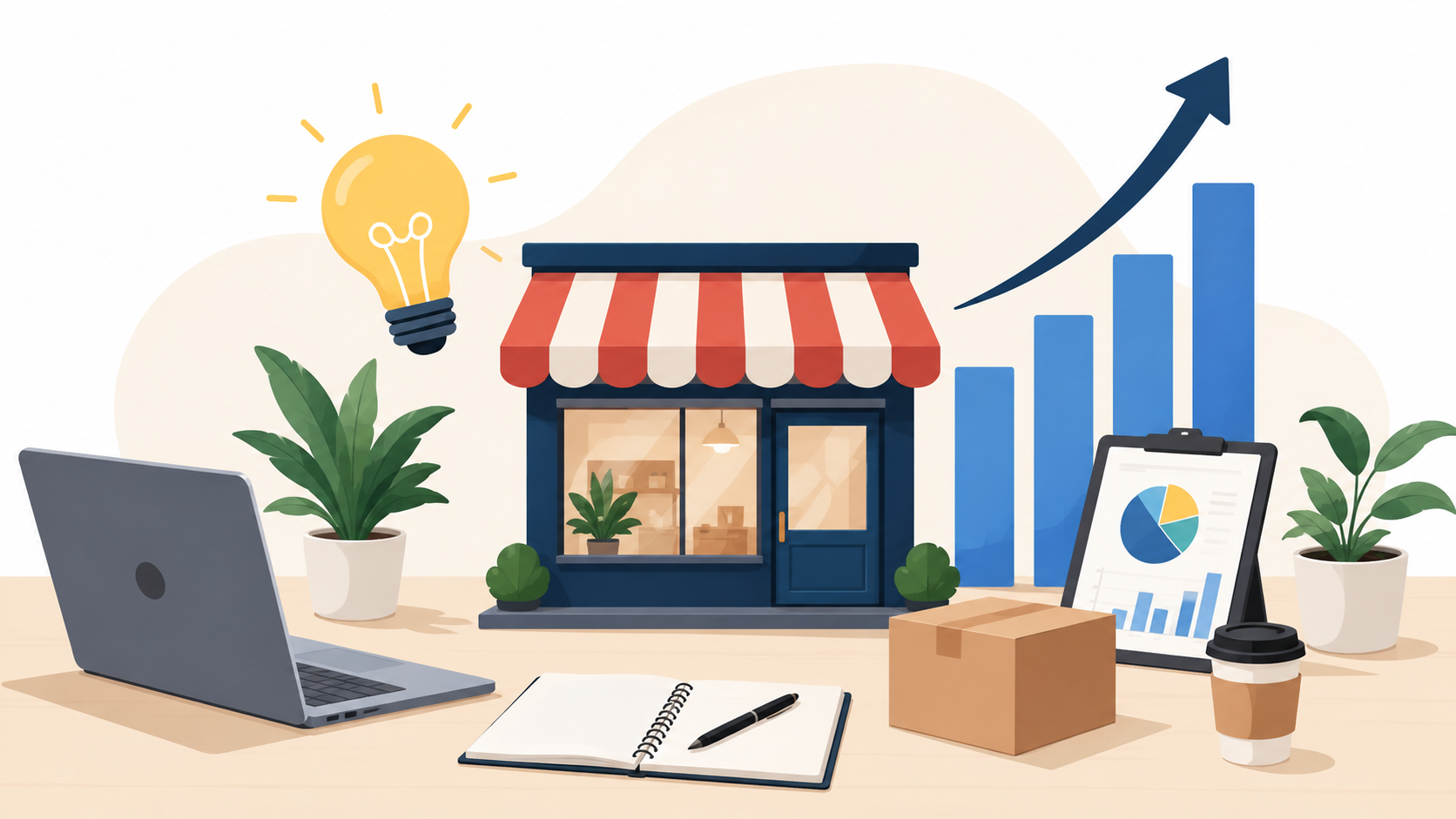
This sector possesses unique characteristics compared to large corporations with complex organizational structures.
| Differentiating Element | Small Business | Large Corporation |
| Workforce Size | Typically under 20 employees | Varies up to hundreds of employees |
| Organizational Structure | Simple with rapid decision-making | Rigid hierarchy with lengthy bureaucracy |
| Initial Capital Allocation | Relatively small to medium | Substantial with investor backing |
| Market Reach | Predominantly local and community market | National to international markets |
| Level of Flexibility | Highly adaptable to market changes | Tends to adapt slowly |
Lean Management Structure
Flexibility serves as the primary advantage for this business unit, as owners directly participate in daily decision-making. Free from convoluted bureaucracy, you can quickly adjust products or services based on customer feedback. This creates a closer, more personal relationship between seller and buyer.
Operational Scale and Community Focus
Meanwhile, operational boundaries typically center on serving the needs of the surrounding community. This approach makes it easier to build a strong brand reputation through word-of-mouth communication. Local customer loyalty becomes the core foundation stabilizing daily revenue.
Potential Business Models for Beginners
Many industry sectors offer promising opportunities for prospective business owners across various initial capital levels:
- Independent coffee shops or home-based culinary businesses
- Graphic design services and social media management
- Online clothing stores with limited inventory systems
- Personal beauty and wellness services
- Creative handcrafted goods using eco-friendly materials
Interestingly, the professional services sector has become a highly popular choice because it does not require expensive physical real estate. You can leverage individual expertise and a laptop to begin offering services to clients, making daily operating expenses remarkably efficient.
For your information, home culinary ventures continue to show steady growth year-round. Consumers’ desire for fresh, unique meals serves as the main driver behind this sector’s success. Keen insight into local tastes will make it easier to define a winning menu that appeals to buyers.
Steps to Starting a Small Business from Scratch
Beginning an entrepreneurial journey requires structured steps to ensure the entire process remains clear and measurable.
Market Analysis and Business Idea Validation
Conduct thorough observations to identify pain points faced by potential customers in your area. Ensure your product or service provides a tangible solution to those needs. Testing your concept on a small scale will help gauge market interest accurately.
Budgeting and Capital Management
On the other hand, map out detailed capital allocations to avoid unnecessary spending during early stages. Separate personal and business accounts to maintain transparent and orderly cash flow records. Disciplined financial management safeguards the business from liquidity crises.
Legalities and Business Operating Permits
As a recommendation, secure the necessary business licenses in accordance with local regulations. Possessing official authorization boosts trust with potential partners and simplifies access to banking services should you require additional capital later on. Clear legality provides peace of mind in daily operations.
Effective Marketing Strategies to Drive Sales
Targeted promotional efforts help introduce your brand broadly without incurring massive costs:
- Optimizing social media profiles with educational and interactive content
- Leveraging digital map features to ensure your store location is easily searchable
- Offering special discount programs for first-time buyers or loyal customers
- Collaborating with complementary local business owners
- Providing fast delivery options for seamless daily transactions
Digital platforms give small business owners a fair opportunity to compete alongside popular brands. Create attractive product visuals and clear, concise descriptions. Consistency in publishing promotional material reinforces your digital brand presence.
Compared to traditional advertising, community-based marketing delivers significantly higher conversion rates. Respond to customer reviews and inquiries promptly and warmly. Excellent customer service serves as a key value add that sets your business apart from competitors.
Operational Challenges and Growth Solutions
Building a business always comes with technical hurdles that require thoughtful problem-solving.
Disciplined Cash Flow Management
A major challenge that novice entrepreneurs encounter is receiving late payments from clients or accumulating accounts receivable. Implement upfront payment or deposit requirements to maintain healthy daily operational cash flow. Evaluate financial records weekly to accurately track profit and loss.
Adopting Technology in Daily Operations
Furthermore, utilize digital point-of-sale systems and automated inventory software to save operational time. Automating routine tasks allows you to focus on high-level growth strategies. Work efficiency increases significantly alongside proper technology adoption.
Frequently Asked Questions About Independent Business Programs
What is the least amount of capital needed to launch a small business?
Capital requirements are highly flexible depending on the chosen industry; expertise-based service businesses can even be launched with less than fifty dollars.
Is a physical store mandatory for business operations?
No, it is not mandatory. Today, you can run full operations entirely from home using digital platforms, social media, and online marketplaces.
How do I separate personal finances from business revenue?
You should open a separate bank account dedicated exclusively to business operations and assign yourself a fixed monthly salary as the manager.
When is the appropriate moment to employ your first employee?
Hiring an employee is advisable when daily operational workloads begin to hinder your ability to focus on primary business growth strategies.
Must the business be registered as a limited liability company from the start?
Not necessarily. You can begin as a sole proprietorship first and upgrade your legal structure as the business expands in scale.