The Complete 2026 Guide on How to Start a Small Business
Have you ever wondered how to start a small business without getting lost in endless paperwork? Many aspiring entrepreneurs freeze at the beginning because the process seems overwhelming. Taking that first step often feels like jumping into the unknown. However, building a company from scratch is entirely manageable when you break it down into clear stages. Turning a fresh idea into a profitable reality simply requires organization and consistent effort. We will guide you through the essential moves needed to build a successful venture this year.
Validating Your Initial Concept

Before spending any money, you must ensure people actually want what you plan to sell. An exciting idea only holds value if it solves a real problem for paying customers. Therefore, your first task involves listening to your target audience. Talk to potential buyers in your community or online forums. Ask them about their daily frustrations and current spending habits. Taking time to test your idea prevents costly mistakes down the line.
Conducting Practical Market Research
This step is where market research becomes your best tool for survival. You do not need expensive consulting firms to gather good data. Instead, check what your competitors are doing right and identify their weak spots. Look at online reviews of similar products to see what customers are complaining about. Find gaps in the market that your product can fill easily. Gathering this feedback early saves you from building a product nobody wants.
Structuring the Financial Side
Figuring out how to pay for everything often stresses new founders the most. Initial costs can add up quickly if you are not tracking every penny closely. Therefore, establishing a strict budget early on prevents nasty financial surprises later. You have to map out expenses for equipment, marketing, and daily operations for at least six months.
Once you know the numbers clearly, you can explore various ways of funding your startup safely. Personal savings offer the safest route since you avoid taking on outside debt entirely. Alternatively, small bank loans or local grants can provide a much-needed financial boost.
| Funding Source | Best For | Repayment Speed | Risk Level |
| Personal savings | Low budget ideas | Not applicable | Low |
| Bank loans | Equipment buying | Monthly fixed | Medium |
| Angel investors | High growth tech | Equity share | High |
| Crowdfunding | Niche products | Product delivery | Low |
Handling Legal Registration Smoothly
Choosing the right legal structure determines your future tax obligations and personal liability. Most solo founders initially opt for a sole proprietorship because it requires minimal setup time. However, forming a Limited Liability Company protects your personal assets if the business ever faces a lawsuit. You should always consult a local accountant to pick the most beneficial format.
After picking a legal framework, register your company name with the appropriate local government office immediately. Securing the necessary permits keeps your operations strictly within the law. Skipping these basic administrative steps might lead to heavy fines down the road. Also, remember to open a dedicated commercial bank account right away to separate your personal finances.
Building Your Operational Framework
With the legalities completely sorted, you can now focus on setting up your daily workflow. Whether you operate from a home office or a rented storefront, efficiency matters greatly. Invest in reliable software to manage your inventory, customer contacts, and basic accounting. Setting up proper digital systems early allows you to handle more customers without feeling overwhelmed.
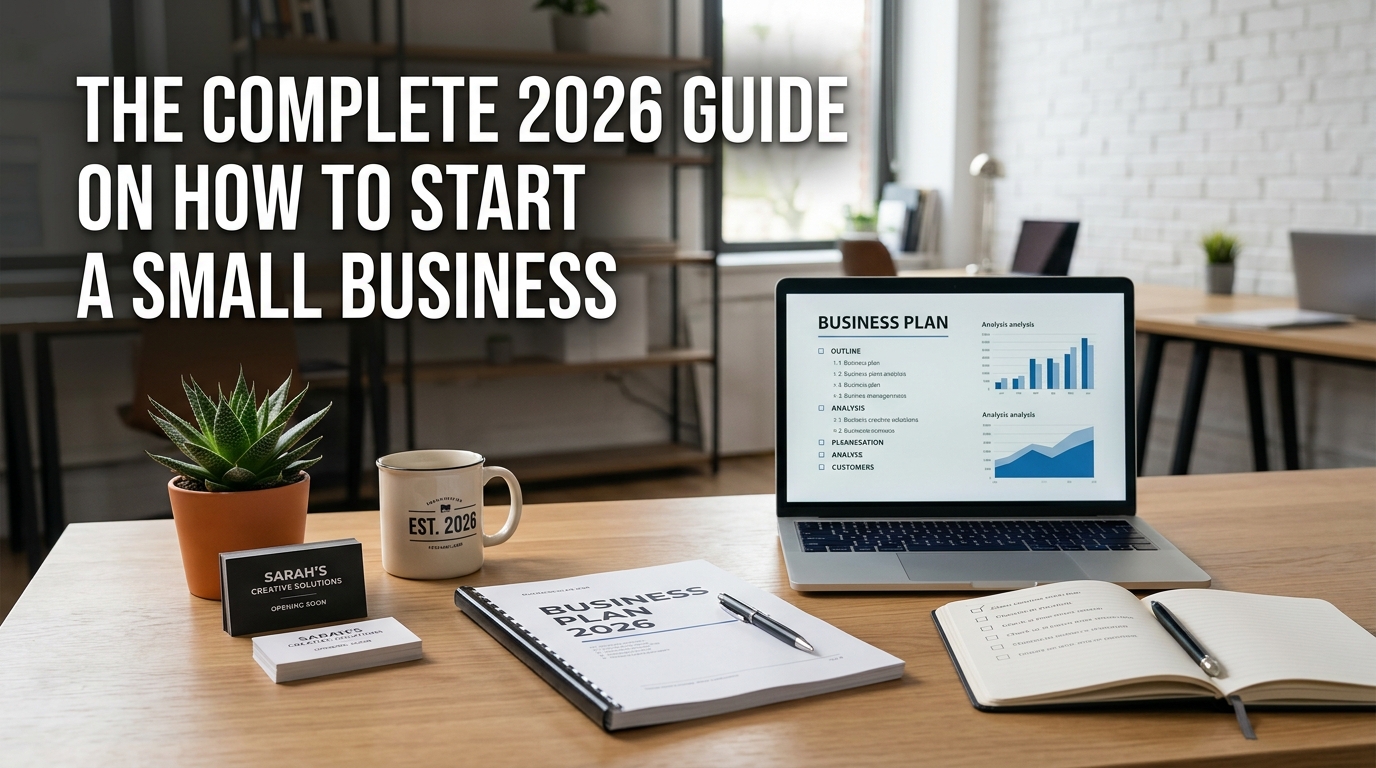
Next, consider writing a business plan that acts as your daily operational roadmap. This document does not have to be fifty pages long to be highly effective. A simple one-page summary highlighting your goals, target audience, and sales strategy works perfectly. This clear roadmap keeps you focused on revenue-generating tasks instead of getting lost in unnecessary distractions.
Common Questions on Launching
What is the best approach on how to start a small business with little money?
The most affordable method is launching a service-based operation directly from your own home. Freelancing, virtual consulting, or digital marketing require almost zero upfront capital besides a laptop and internet connection. You can easily reinvest your early profits into better tools later.
Do I absolutely need writing a business plan?
Yes, you certainly need some form of written strategy to stay firmly on track. Even a short document helps clarify your financial goals and operational milestones. Banks will also demand a detailed version if you apply for commercial financing later.
How long does it take to see consistent profits?
Every industry moves at a completely different pace regarding financial returns. Service businesses might turn a profit within the very first month of operation. Conversely, retail or manufacturing ventures often take one to two years to recover initial setup expenses.
Taking the First Actual Step
Reading about entrepreneurship can only get you so far before you must take real action. The perfect moment to launch will never arrive if you keep waiting for ideal market conditions. Start small, test your products immediately, and learn directly from early customer feedback. Mistakes will inevitably happen, but they provide valuable lessons for future growth.
Your journey into the commercial world begins with a single bold decision today. Pick a memorable name, register your legal entity, and make your first sales pitch this week. Dedication and strategic adaptability will eventually turn your small operation into a thriving enterprise. Stay patient and celebrate every small victory.